How Sports Clubs Can Determine Whether A Backlink Is Harmful
Sports organisations are being advised to treat backlink reviews as a matter of evidence and judgement rather than automated flagging, as clubs, leagues and sports publishers increasingly manage websites that carry fixtures, ticketing and academy information alongside commercial partnerships. The guidance, aimed at digital and communications staff across the sport, sets out a process for distinguishing a genuinely harmful link from one that merely looks suspicious in an SEO dashboard.
As a senior editor covering this space for readers who handle these decisions daily, the core message is familiar: a poor-looking link is not automatically damaging, and removing one too quickly can cost a club a legitimate mention it never needed to lose.
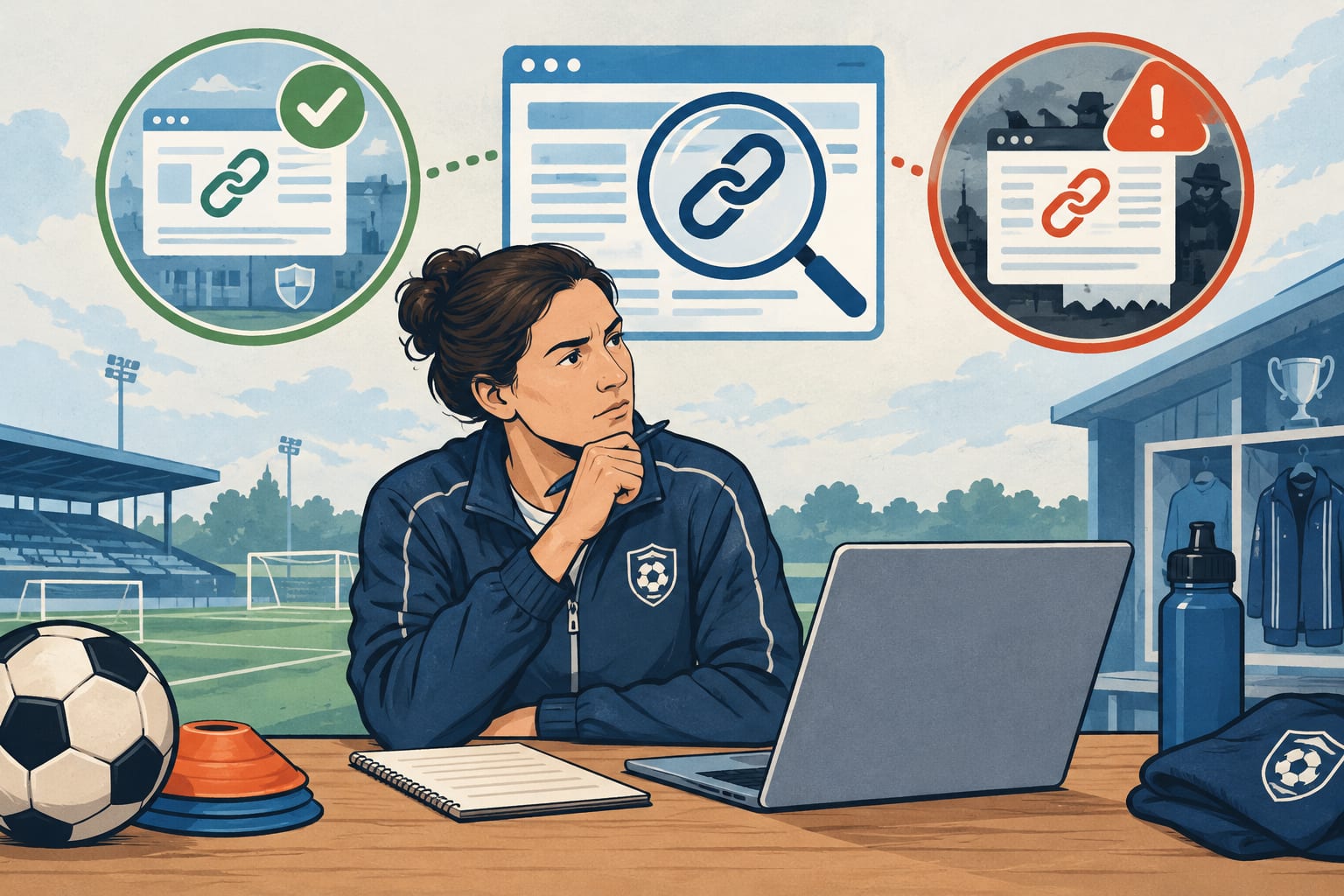
The recommended approach starts with collecting all backlinks through a reputable SEO platform or search engine tool, then sorting them into categories such as local media, partners, fan sites, directories, commercial pages and unfamiliar domains. From there, staff are told to open each linking page and assess whether the link has a clear, sensible purpose for that page's readers. A regional paper referencing matchday travel advice counts as relevant even if the outlet is small. A page built around betting content, unrelated consumer products or scraped articles linking to a club without explanation warrants closer scrutiny.
Relevance is treated as a useful signal rather than a strict test. A university sports science department linking to injury-prevention research, or a tourism site pointing to a stadium guide, can both have legitimate reasons to link without being sports-focused themselves. The guidance stresses looking for evidence of a real audience, original content and a credible connection to the subject matter.
Pattern recognition is positioned as more informative than reacting to a single odd link, which could simply be the result of scraping, a user post or a page that has changed ownership. Clusters matter more: multiple sites using identical exact-match anchor text, near-duplicate content, or a sudden spike of links from low-quality domains all suggest links that may have been arranged rather than earned. Anchor text itself needs context, since natural links using a club or player's name differ from repeated commercial phrases sitting on low-value pages. Traffic and visibility data can help confirm whether a link sends real visitors to ticket pages or match reports, or whether the source has no genuine readership at all.
Impact
The guidance frames response options on a sliding scale by severity. Legitimate editorial links should typically be left alone. Inaccurate partner pages or unlabelled paid placements call for direct contact with the site owner to request a correction or proper link attribution. Hacked, copied or repurposed sites require documentation of the URL and remediation steps taken.
Disavowing links is described as a serious measure rather than routine maintenance, since it instructs search engines to ignore specified links and an overly broad disavow file can strip away links that were actually helping a site's standing. It is recommended only where there is strong evidence of a deliberate unnatural-link scheme or an active manual action requiring remediation.
Ownership of this work spans SEO, communications, legal and commercial functions, since a flagged link could originate from an agency campaign, a sponsorship deal or a straightforward editorial relationship. The guidance also flags that UK clubs bringing in outside specialists need to consider employment status and IR35 rules when engaging contractors for audit work, since the actual working arrangement determines classification rather than the contract label. Marketplaces for independent specialists are mentioned as one option, provided clubs still verify experience and agree a precise scope of work.
What to watch
Clubs and publishers should watch for recurring domains that keep getting flagged without new evidence, which points to a need for better record-keeping on past decisions. Staff handling these reviews should expect ongoing coordination across SEO, legal and commercial teams whenever a link ties back to a sponsorship or agency relationship. Organisations considering external audit support should watch for clarity on deliverables, analytics access, confidentiality and ownership of audit files before signing a contractor, and UK-based clubs specifically should monitor how IR35 status is determined for any engagement based on actual working practice rather than contract terms alone.
Clubs that rely on an auto backlink tool to build links quickly should review every generated link, since automated placements are often where harmful backlinks come from.
Sports clubs evaluating link quality should be cautious with any seo backlinks builder service, since low-quality link schemes can trigger search penalties.
Many sports clubs are eager to get backlinks from local sponsors, community partners, and league websites, but not every link adds value.
Source: Complete Sports
See also our earlier piece: Black Hat SEO Rerun: Are We Making the Same Mistakes With GEO?