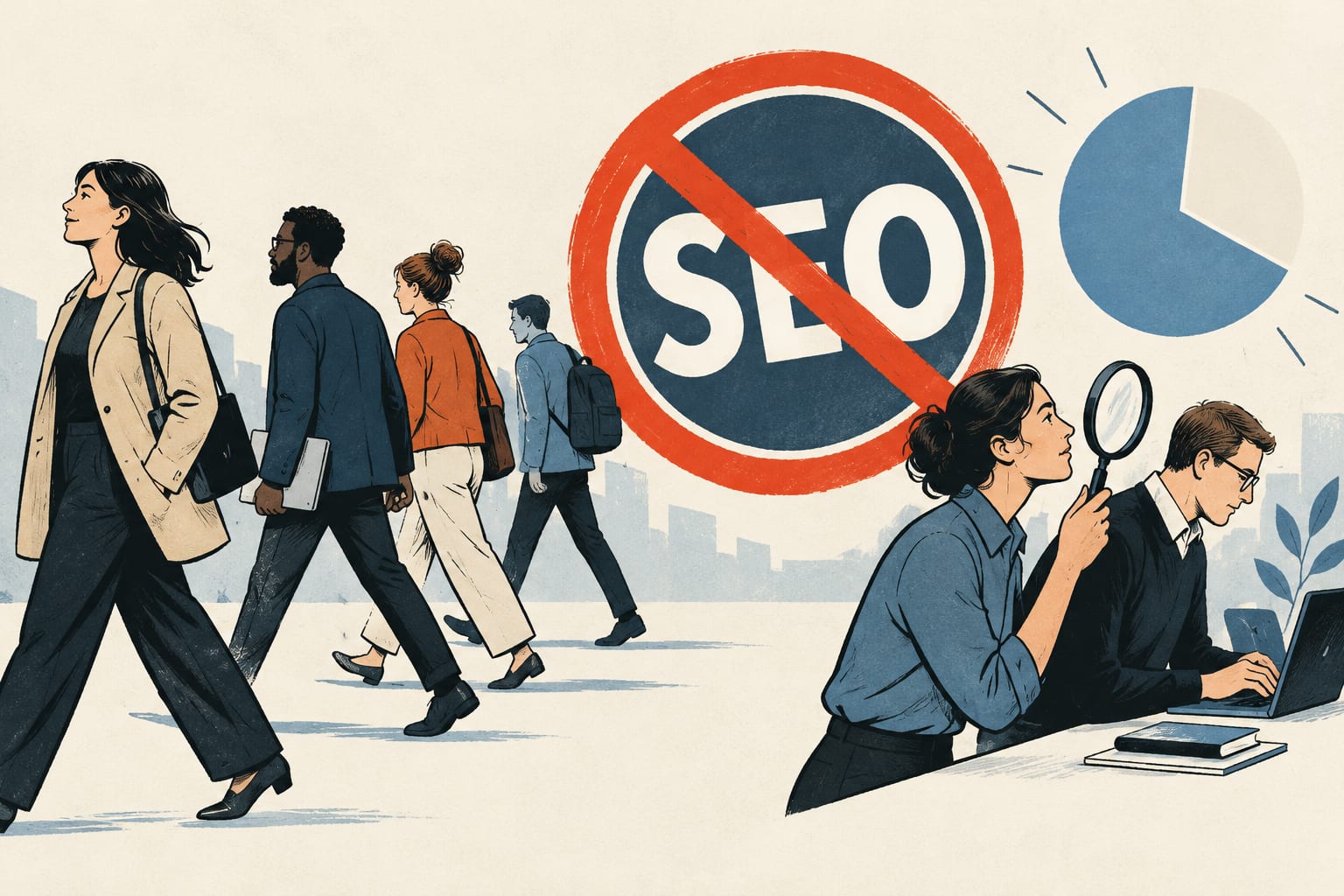
57% of Search Experts Have Stopped Using the Term ‘SEO’, Report Finds
A majority of search marketing professionals say they have dropped the term "SEO" from their vocabulary, according to a new report covered by Performance Marketing World. The finding, that 57% of search experts have stopped using the term, signals a shift in how the discipline is described internally and to clients, even as the underlying work of improving organic visibility continues. The shift matters for in-house marketers, agencies, consultants and vendors who build their positioning, job titles and reporting around the SEO label.
The report lands at a moment when search itself is changing shape. Google's AI Overviews, Microsoft's Copilot integrations and the rise of generative answer engines such as ChatGPT and Perplexity have pushed discovery beyond the traditional ten blue links. Many practitioners have already been widening their scope to cover answer engine optimization, generative engine optimization and broader organic visibility work that spans search engines, AI chat interfaces and social platforms. Against that backdrop, a move away from the term "SEO" tracks with an industry that has spent the past two years rebranding its remit rather than its core function.
For a profession that has long complained about being misunderstood by clients and executives, dropping a decades-old acronym is not a small thing. SEO has survived multiple algorithm eras, from the early keyword-stuffing days through Panda, Penguin, mobile-first indexing and the helpful content updates. That the term itself may now be losing favor says less about the tactics search professionals use and more about how they want their work perceived in a market where "AI" has become the dominant framing for almost every digital discipline.
Impact
The reported shift away from the SEO label has direct implications for how search teams are structured and sold. Agencies and consultants who have built brands and service lines around "SEO" may need to revisit positioning, job titles and proposal language to match client expectations, particularly as procurement teams increasingly search for terms like "AI search" or "generative search optimization" rather than SEO when sourcing vendors. In-house teams could see job descriptions and reporting lines shift accordingly, with search specialists folded into broader organic growth or content visibility functions.
For search engines and platforms themselves, the terminology shift reflects, rather than drives, product change. Google, Microsoft and OpenAI have each been expanding how answers are surfaced, and marketers adjusting their vocabulary suggests they are keeping pace with where user attention is moving. Competitively, agencies slower to update their messaging risk looking out of step with clients who now associate "SEO" with legacy tactics rather than the current AI-influenced search mix.
The report does not detail costs or timelines tied to this shift, and Performance Marketing World's coverage focuses on the terminology finding itself rather than broader operational consequences. Readers should treat the 57% figure as a signal of sentiment and language change within the profession rather than evidence of a change in underlying practice, budget allocation or measurement methodology.
What to watch
Search professionals and the brands that employ them should watch for how quickly job titles, agency service names and conference programming adopt new terminology such as AEO, GEO or simply "organic growth," and whether that language convergence happens industry-wide or stays fragmented. Procurement teams and marketing leaders evaluating vendors should pay attention to how agencies describe their services in pitches, since a mismatch between buyer search terms and seller branding could affect visibility in a crowded vendor market.
It is also worth tracking whether major platforms, publications and certification bodies follow suit. If trade conferences, training courses and job boards begin retiring "SEO" in favor of broader organic or AI-search framing, that will confirm a structural shift rather than a passing stylistic preference. As a senior editor covering performance marketing for an audience that works in search every day, the practical test will be whether this is reflected in how teams are staffed, how success is measured and how clients are sold services over the coming reporting cycles.
Many marketers who are rethinking the SEO label still rely on tools like an auto backlink tool, though experts increasingly stress that quality outreach and content matter more.
Many marketers who are moving away from the “SEO” label still rely on tools like a seo backlinks builder to earn authoritative links that support their search visibility.
Many professionals who drop the SEO label still focus on helping their sites earn quality content, rankings, and ways to get backlinks.
Source: Performance Marketing World
Related reading from us: Google AI Mode Links Get More Prominent, but Clicks Remain the Test