
Bing Copilot’s Animated Answers: A New UX Direction
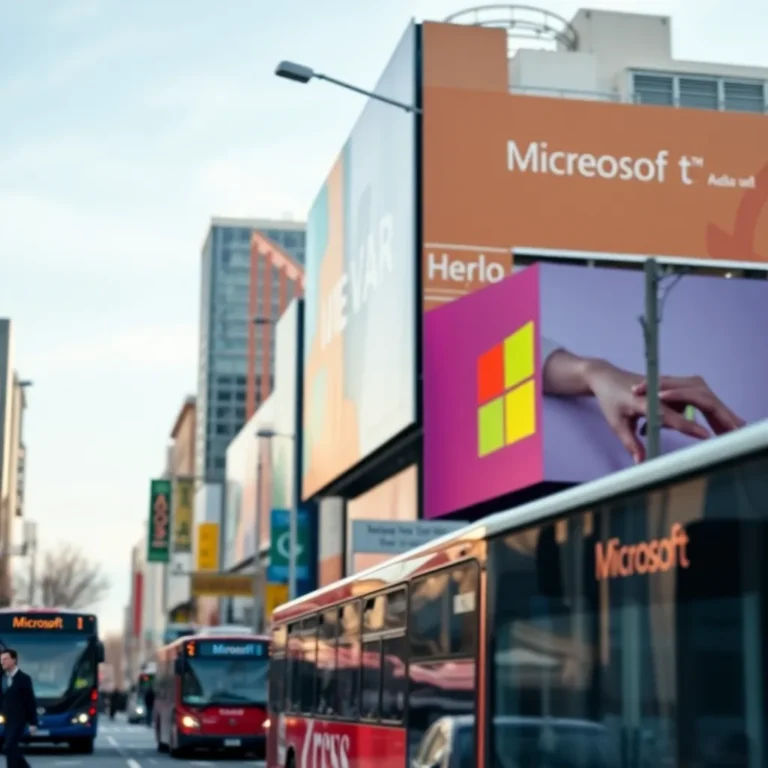
The article highlights a significant user interface (UI) shift for Bing’s Copilot answers, moving away from an immediate, static display to an animated, chatbot-like response format. Traditionally, when a user conducts a search on Bing and a Copilot-generated answer appears at the top of the results, it is presented instantly as a complete block of text. However, Microsoft is currently experimenting with a new approach where the AI’s response is “written out” on screen, character by character or word by word, emulating the real-time typing of a human or a conversational AI agent. This change aims to transform the user’s interaction with the search engine’s AI capabilities.
This animated delivery method introduces several potential benefits designed to enhance the overall user experience. Firstly, it fosters a more dynamic and engaging interaction, making the AI feel less like a static information repository and more like an active, conversational partner. The visual unfolding of the answer can create a sense of progress and anticipation, potentially keeping users more focused on the evolving content. Furthermore, for complex or multi-faceted answers, this incremental presentation might aid in comprehension, allowing users to process information in smaller, digestible chunks rather than being overwhelmed by a large volume of text upfront. It also aligns Bing Copilot more closely with the intuitive feel of contemporary AI chatbots, promoting a sense of natural dialogue and making the technology feel more approachable and user-friendly.
However, this innovative UI test also carries potential drawbacks and considerations. The most prominent risk is the perception of increased latency. While the underlying AI processing time might remain constant, the deliberate animation introduces a visual delay, which could be frustrating for users who prioritize speed and efficiency, particularly for simple queries where an instant answer is expected. There’s also the question of user preference; not all individuals may appreciate or find value in an animated response, potentially preferring the directness of immediate text display. The animation could also be a source of distraction for some, diverting attention from the core information. Microsoft will need to carefully evaluate user feedback to ensure that the enhanced engagement offered by the animation outweighs any potential negative impacts on perceived speed or user convenience, especially as Copilot answers are a central feature of the Bing search experience.
Beneath engaging animated answers, the technical strength from backlinks in SEO UX continues to drive content visibility.
By embracing this engaging new UX direction, content creators can effectively get backlinks bing audiences find valuable and share.
Understanding the queries behind bing copilot relevant keywords helps optimize animated answers for an engaging new UX.
Beyond animation, deeper insights like bing backlinks analysis still drive effective SEO strategies for Bing visibility.
While Copilot innovates with UX, essential tools like the bing backlink checker remain crucial for understanding website performance within Bing’s evolving ecosystem.
Bing Copilot’s new UX might influence how we research keywords for seo bing, potentially changing search strategy.
The integration of backlinks in seo copilot functionality could significantly enhance how digital marketers analyze link-building strategies through animated visual responses.
(Source: https://www.seroundtable.com/bing-copilot-answers-animated-response-40257.html)