ChatGPT vs. Perplexity: AI’s Source Discrepancy
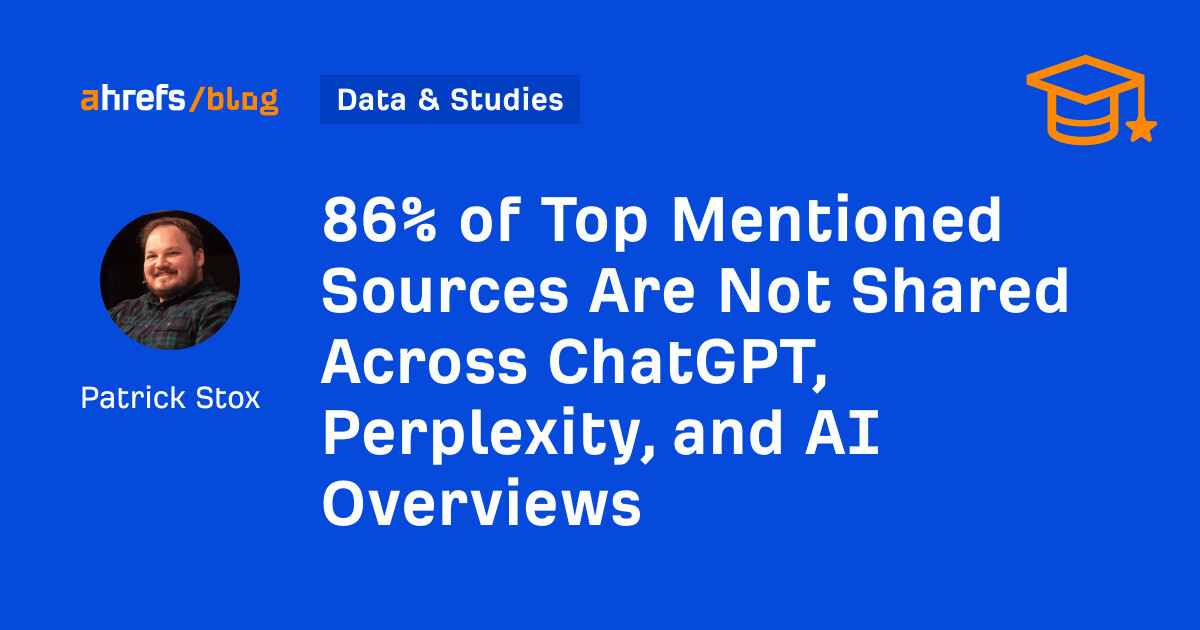
A recent Ahrefs study reveals a significant discrepancy in the sources cited by leading AI assistants like ChatGPT and Perplexity. The study found that a staggering 86% of the top-mentioned sources are not shared across these platforms. This highlights the inherent differences in how these AI models function and access information. ChatGPT, for example, is noted for its tendency to fabricate sources, a behavior less prevalent in search-augmented systems like Perplexity which retrieve documents before generating responses. This discrepancy underscores the importance of critically evaluating information generated by AI assistants. The lack of consistent sourcing across different platforms raises concerns about the reliability and accuracy of the information provided. Users should be aware that the same query may yield vastly different results and source attributions depending on the AI assistant used. This also points to a broader issue in the development and deployment of AI technologies, namely the need for improved transparency and accountability regarding the sources and methods employed by these systems. The benefits of AI assistants are undeniable, offering quick access to information and efficient task completion. However, the risks associated with unreliable information and the potential for misinformation are substantial. Different types of AI assistants, those that rely on existing knowledge bases versus those that perform real-time searches, demonstrate different levels of accuracy and source reliability. The Ahrefs study serves as a potent reminder of the need for critical thinking and source verification when using AI-generated content. The examples given illustrate how the same question can lead to different answers and cited sources, highlighting the inconsistencies across platforms. The lack of shared sources emphasizes the need for users to cross-reference information and avoid relying solely on a single AI assistant for critical information. Ultimately, responsible AI usage requires a discerning approach that acknowledges the potential for inaccuracies and the importance of diverse information sources.
While evaluating AI source accuracy, consider how generated content might influence the future of ai backlinks in seo strategies.
Navigating AI’s source discrepancy is key to creating credible content that helps you get backlinks AI algorithms value.
When evaluating AI tools like ChatGPT and Perplexity, accuracy in sourcing for ai relevant keywords remains paramount.
Evaluating the credibility of AI-generated content can benefit from a thorough authority backlinks analysis of its cited references.
A sophisticated backlink checker ai could be indispensable for verifying the potentially dubious sources often cited by AI models.
Beyond source verification, evaluating each platform’s ability to pinpoint ai relevant keywords for seo impacts content strategy.
When analyzing how these AI tools handle source attribution, it’s crucial to understand how backlinks in seo ai strategies affect information credibility and ranking.
(Source: https://ahrefs.com/blog/top-mentioned-sources-are-not-shared-across-ai-assistants/)