Google Ads Integrate with AI Search Results: A New Era
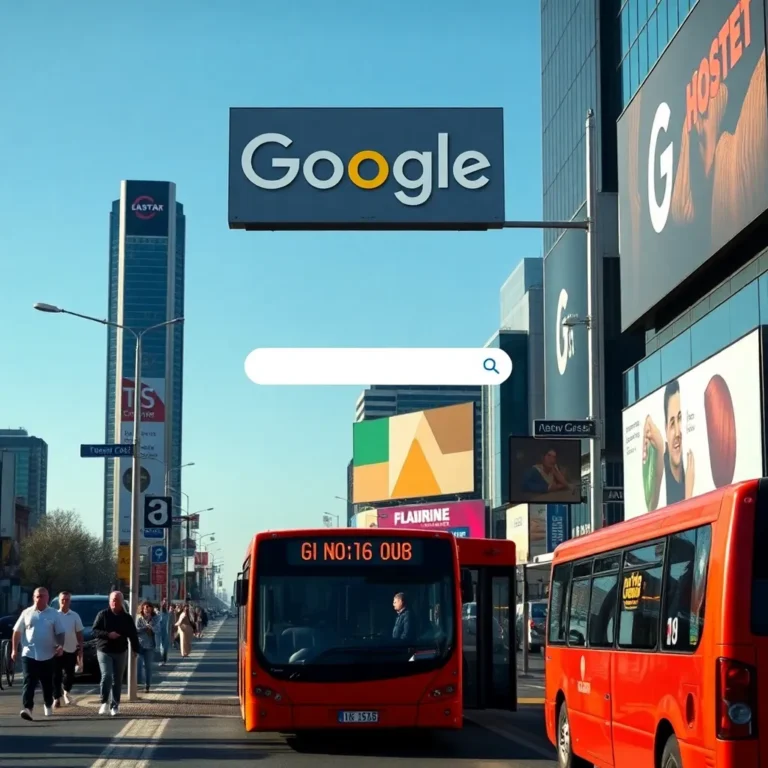
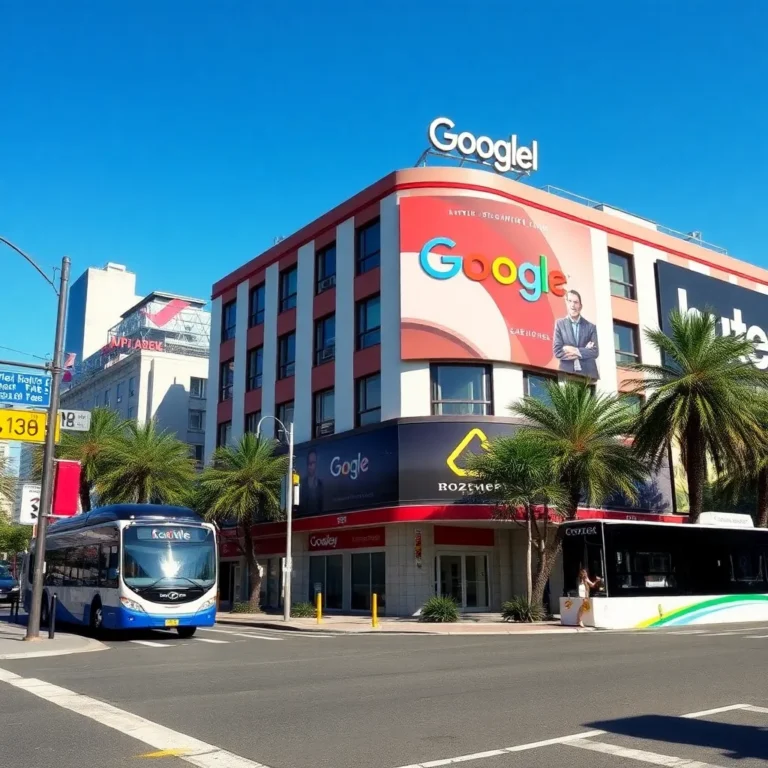
The digital marketing landscape is witnessing a significant evolution as Google Ads increasingly surface within Google’s nascent AI Mode search results. This development, initially confirmed by Google in May as a desktop-only testing phase, has now progressed to wider public visibility, with more users reporting sightings of these advertisements “in the wild” over recent weeks. This integration marks a pivotal step in Google’s strategy to monetize its advanced AI search capabilities, extending traditional ad placements into the realm of generative AI answers and conversational search experiences.
The core definition of this shift involves the placement of paid advertisements directly alongside or within the AI-generated responses that Google’s new AI Mode provides. Instead of ads being confined to traditional organic search result pages, they are now appearing in a context where users are seeking synthesized, intelligent answers. While the source text itself is brief, the implications for various stakeholders are considerable.
For advertisers, the primary benefit lies in accessing a novel and potentially highly engaged audience. Ads in AI Mode could offer unprecedented visibility, allowing brands to reach users at a critical point of information consumption within an AI-enhanced search environment. This new placement potentially opens avenues for increased click-through rates and conversions, especially if the ads are contextually relevant to the AI-generated content. For Google, this move represents a crucial monetization strategy for its substantial investments in artificial intelligence, ensuring that its innovative search functionalities can generate revenue, much like its traditional search offerings.
However, the introduction of ads into AI Mode is not without its potential risks and challenges. From a user experience perspective, there’s a risk that advertisements could disrupt the perceived neutrality or utility of AI-generated answers, potentially leading to user dissatisfaction or a diminished trust in the AI’s objectivity. The seamless integration of ads requires careful design to ensure transparency and avoid blurring the lines between AI-generated information and commercial content. Furthermore, the presence of paid placements might impact the visibility of organic information within AI summaries, raising questions about information hierarchy and user access to unbiased results. The article notes a general increase in observations, indicating a broad rollout rather than specific examples of ad formats or content types, suggesting an evolving landscape for both users and advertisers as Google refines this integration.
While AI transforms Google Ads, earning authority backlinks in seo remains critical for overall organic search success.
As AI integrates into search results, understanding how AI get backlinks will be critical for maintaining strong organic authority and visibility.
This integration will significantly enhance how google ads relevant keywords are matched to user intent within AI-driven search results.
This new era will likely integrate backlinks analysis more deeply into AI-driven ad strategies for better performance.
To compete in this AI-driven landscape, using an ai backlink checker helps analyze competitor profiles and build stronger authority.
As AI reshapes search, optimizing for google ads relevant seo becomes essential for achieving top visibility.
This integration will likely transform how marketers approach backlinks in seo ads, requiring new strategies for visibility in AI-powered search environments.
(Source: https://www.seroundtable.com/google-ads-in-ai-mode-results-40479.html)