Backlink Platform Audit Finds Most “Dofollow” Sources Pass No SEO Value
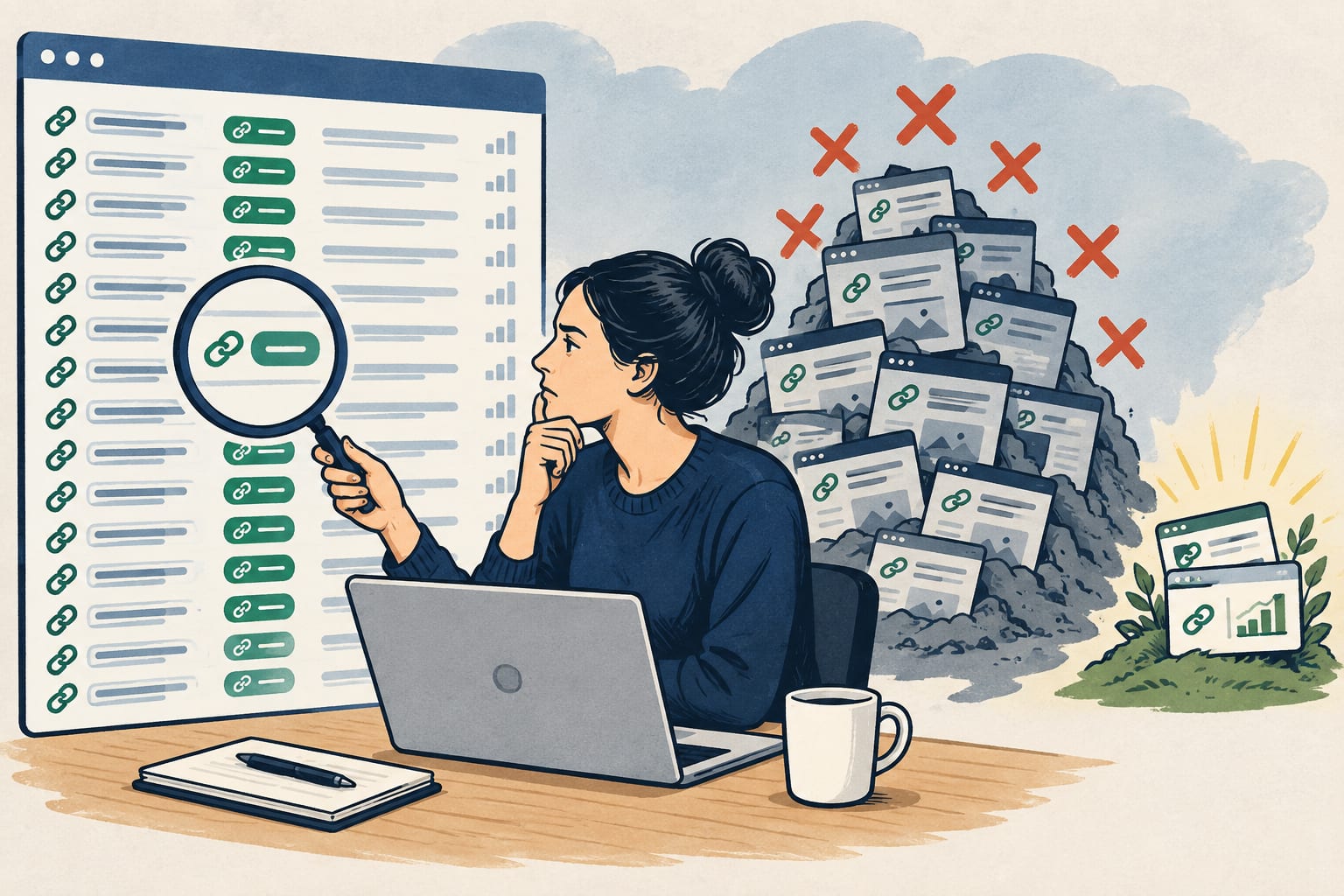
A two-day audit of rel attributes across 20 link-building platforms found that the majority of sites commonly recommended for "easy dofollow backlinks" actually mark outbound links nofollow, ugc, or route them through redirects that strip their value entirely. The exercise, published on HackerNoon, used a simple curl-and-browser-console method to check what HTML each platform actually emits for an outbound link rather than relying on list-based SEO advice. For anyone building links for a client site, a portfolio project or their own domain, the findings undercut a chunk of standard outreach guidance.
The author checked platforms between September 17 and 18, 2026, while trying to secure legitimate backlinks for a side project, not through paid links or spam, but through articles, directories and product listings. The check took about 30 seconds per site: pull the anchor tag containing the target domain and inspect its rel value. A tag with only noopener and noreferrer passes SEO weight, since both are browser security hints with no bearing on search engines. A nofollow tag passes nothing. A ugc tag signals user-generated content, which Google discounts.
Platforms that passed link weight included Dev.to in-article links, PyPI's homepage field, Substack and Blogspot in-post links, CSS Design Awards (a $50 paid submission), and some niche blogs. Platforms that passed nothing included Hashnode, SaaSHub, AlternativeTo, Indie Hackers, Awwwards, SiteInspire, Uneed and Habr, all returning some combination of nofollow and noopener. A third category, including Product Hunt's "Visit website" link, HackerNoon in-article links and the Dev.to profile website field, carried the ugc tag, meaning Google treats them as only partially credited.
Along the way the author flagged four recurring errors: trusting Hashnode's dofollow reputation despite it emitting nofollow ugc; miscounting rel values by checking every link on a page instead of the one the user actually placed, which on one large platform meant mistaking the platform's own clean links for the author's redirected and nofollowed one; treating free-tier directory listings as genuine dofollow links when they actually require a reciprocal backlink or badge placement, which Google's guidelines classify as a link scheme; and submitting to a site that had gone dead and now serves a parked-domain page.
Of roughly 20 candidates checked, only two produced links that pass weight: a Dev.to article with a clean in-body link, and a PyPI package homepage field. The author also cited a case study: a tarot reference site with 367 referring domains in Ahrefs, almost all from spam networks, carrying a Domain Rating of zero despite the link count.
Impact
The practical cost for SEO and content teams is time, not money: a 30-second rel check per platform, run before publishing or submitting, can eliminate candidates that would otherwise consume hours of outreach and content production for no ranking benefit. The article also flags a compliance point relevant to link-building programs: directories that grant free listings in exchange for a homepage backlink or badge placement fall under Google's link-scheme guidelines on both the free (reciprocal link) and paid (purchased link) sides. For a trade publication serving editors and marketers who work in SEO day to day, the findings are a reminder that link-count metrics reported by tools like Ahrefs can be misleading when referring domains originate from zero-authority spam networks rather than genuine editorial placements.
Competitive implications follow from the platform-specific findings as reported: Dev.to and PyPI positions held up as genuine dofollow sources, while widely recommended options such as Hashnode, SaaSHub, AlternativeTo, Indie Hackers, Awwwards, SiteInspire, Uneed and Habr did not. Platforms using the ugc tag, including Product Hunt and HackerNoon itself, sit in a middle tier that Google only partially credits.
What to watch
Professionals building backlinks should verify the rel attribute on the actual user-placed link, not just a sample of links on the page, since platform-generated links can differ from author-submitted ones. Treat any directory or list recommending "free dofollow" placements with scrutiny when the free tier requires a reciprocal link or badge, since that structure matches Google's definition of a link scheme. Confirm that a target site is still live before submitting, since parked domains can register false positives in a quick check. And because platforms change these policies without notice, the author's September 2026 results should be treated as a method to repeat regularly rather than a static reference list.
A recent auto backlink tool audit revealed that many supposedly high-quality dofollow links fail to contribute meaningfully to search engine rankings.
Our comprehensive seo backlinks builder audit revealed that many platforms marketing themselves as premium sources deliver minimal search engine ranking improvements.
Understanding how to get backlinks seo has become more complex after this audit revealed that many dofollow links provide minimal ranking benefits.
Source: HackerNoon
Earlier in this series: Daily Search Forum Recap: October 5, 2026