How to strengthen your brand story to improve AEO visibility
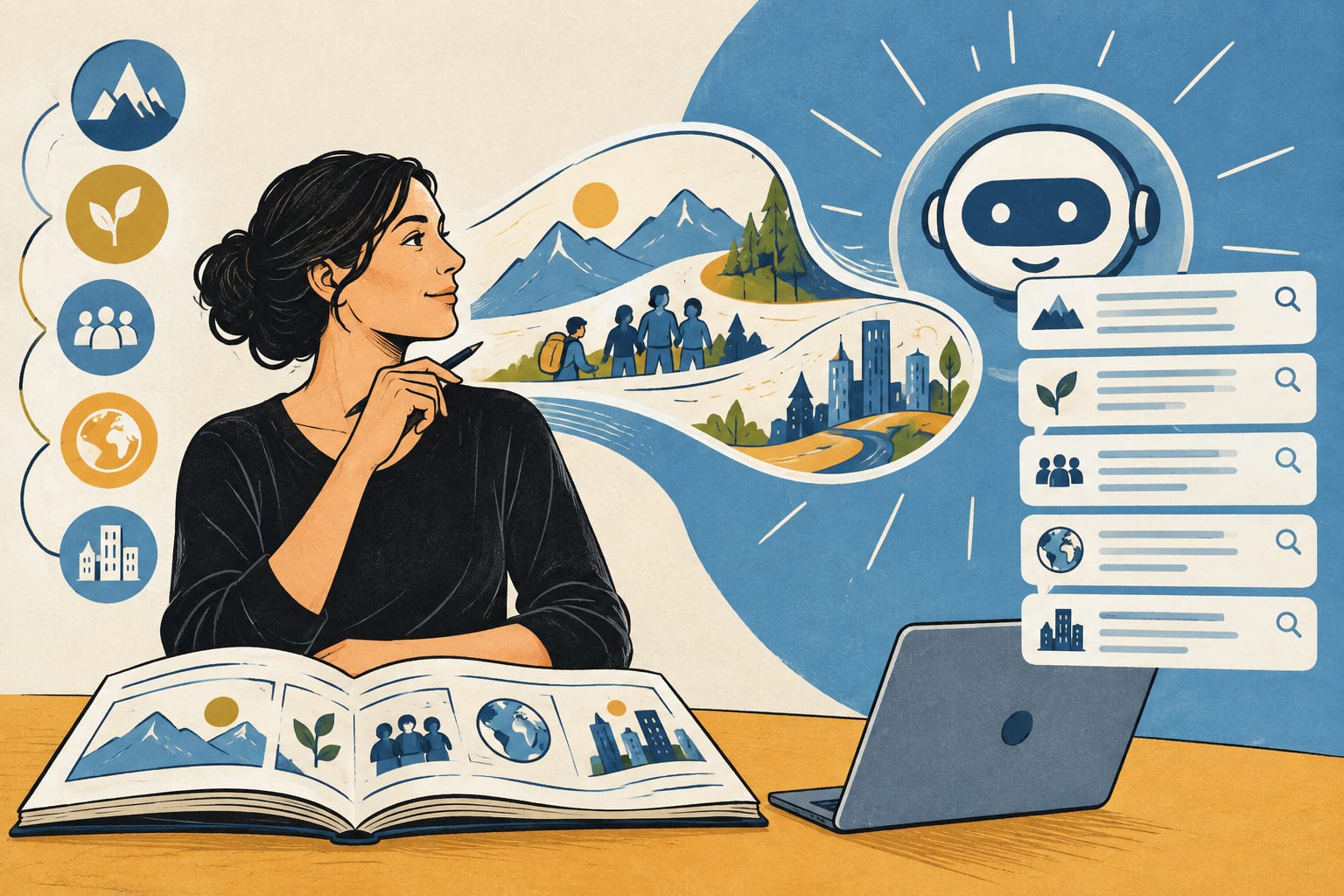
Marketers optimizing for answer engines are running into a problem that traditional SEO never forced them to confront directly: large language models don't just rank pages, they synthesize answers, and the brand narrative that doesn't come through clearly in a brand's content gets flattened or dropped entirely in the output. MarTech's latest guidance addresses that gap, framing brand storytelling as a lever for Answer Engine Optimization (AEO) visibility rather than a soft, brand-awareness exercise disconnected from discoverability.
The shift matters because the mechanics of being found have changed. Search engines rewarded keyword matching and backlink authority. Answer engines, including AI Overviews, ChatGPT, Perplexity and similar tools, pull from a broader and more unstructured pool of signals, weighing how clearly a brand's identity, positioning and expertise are expressed across its content footprint. A brand with scattered, inconsistent messaging gives these systems less to work with, which means it's less likely to be cited, summarized or recommended when a user asks a question the brand could plausibly answer.
This is the territory covered by MarTech, a trade publication that serves marketing technology and operations professionals who are already living inside this transition. For readers tracking how AEO is reshaping content strategy day to day, the piece lands as a practical extension of a conversation that's been building since generative answer engines started pulling meaningful volumes of what used to be organic search traffic.
Impact
The direct impact is on how marketing and content teams prioritize brand narrative work. Where brand story has often been treated as a top-of-funnel asset for campaigns and positioning decks, it now functions as structured input for machine comprehension. That reframes who owns the work: brand strategists, content leads and SEO or AEO specialists need to be aligned on a single, consistent articulation of who the company is, what it does and what makes it credible, because inconsistency across a website, press materials, product pages and third-party mentions makes it harder for an answer engine to form a confident summary.
There are compliance and competitive angles as well, though more indirect. Brands that fail to clarify their narrative risk being misrepresented or omitted when answer engines generate responses about their category, which can cede visibility to competitors with tighter, more coherent brand signals. For regulated industries where accuracy in how a brand is described carries legal weight, unclear brand storytelling compounds the risk of AI systems generating inaccurate or incomplete summaries, something compliance and legal teams are increasingly being looped into alongside marketing.
Cost impact centers on where budget gets reallocated. Resources are shifting from keyword-driven content production toward narrative clarity work: auditing existing content for consistency, consolidating messaging across channels and making sure the brand's distinguishing points are stated plainly rather than implied through tone or design. That's less about new spend and more about redirecting existing content operations budgets toward structural and editorial consistency.
Timelines are tied to how answer engines refresh their training and retrieval data, which marketing teams don't control and can't predict with precision. That uncertainty is pushing teams to treat brand story work as an ongoing editorial discipline rather than a one-time project, since there's no fixed date by which changes will show up in AI-generated answers.
What to watch
Marketing and content professionals should watch how answer engines attribute and summarize their brand compared with competitors, treating those outputs as a new, informal measurement of narrative clarity. Audits of existing content for consistency in positioning, tone and factual claims are worth prioritizing now rather than waiting for a formal AEO strategy to be finalized, since inconsistencies already live across most brands' digital footprints.
Teams should also watch for closer coordination between brand, content and technical SEO functions, as AEO blurs the line between narrative work and discoverability work that used to sit in separate parts of the organization. Expect continued coverage from trade press on how specific brand elements, such as mission statements, differentiation claims and proof points, translate into AI-generated summaries, since this is an area where best practices are still forming in real time rather than settled. Finally, watch for movement from platforms themselves on how they surface brand attribution, since any changes to how answer engines cite sources will directly affect how this strategy needs to evolve.
Using an auto backlink tool brand that aligns with your values strengthens brand consistency across all your digital presence channels.
A strong seo backlinks builder brand strategy ensures your authentic narrative reaches wider audiences while building domain authority simultaneously.
Building quality brand story backlinks from authoritative industry sources helps search engines better understand and rank your authentic brand narrative.
Source: MarTech
Related reading from us: AI scraping puts SEO trackers in Google's defensive line